Centuries in the mountains
An old village of masters
Lahij is one of the oldest settlements of this land. Hidden in the mountains of the Greater Caucasus, it lived for centuries by craft and trade, remaining in many ways a self-sufficient world.
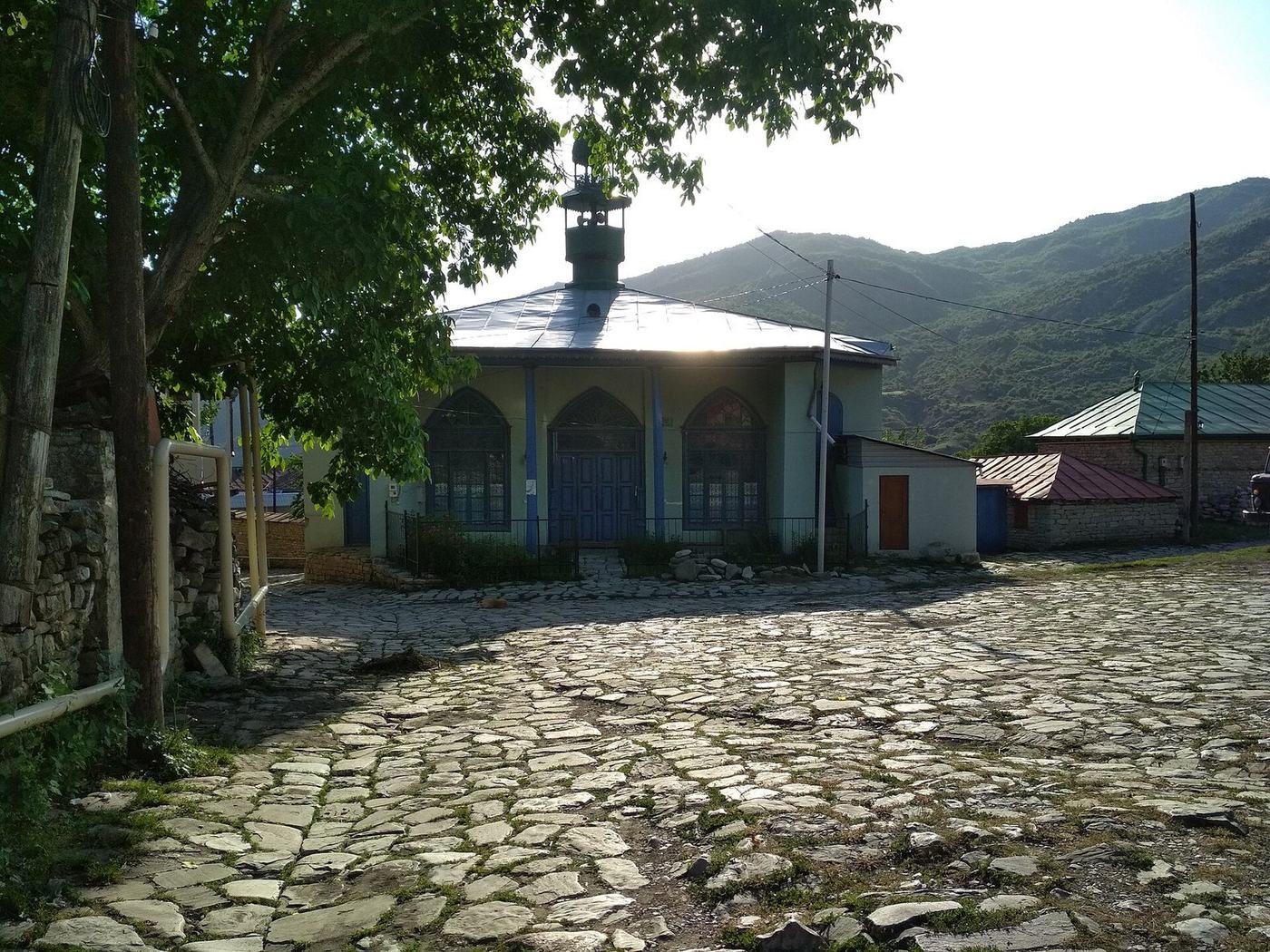
The village was divided into məhəllə quarters, each with its own mosque, spring, bath and square. Remarkably, as early as the Middle Ages Lahij had a well-thought-out water-supply and drainage system — a rarity for a mountain village of those times.
The native people of Lahij have historically spoken the Tat language — one of the Iranian languages. This feature, together with the crafts, makes the village's culture truly unique.
An ancient village
One of the oldest mountain settlements of the region, with centuries of history.
A craft centre
For centuries a renowned centre of copper and other crafts.
Məhəllə quarters
The village was divided into quarters, each with its own mosque, spring and bath.
Water system
A medieval water-supply and sewage system — a rarity for its time.
The Tat language
The native people have historically spoken Tat — one of the Iranian languages.
A reserve
The historic part of the village is protected as cultural heritage.
 The Greater Caucasus
Shielded by mountains
A world beyond the pass
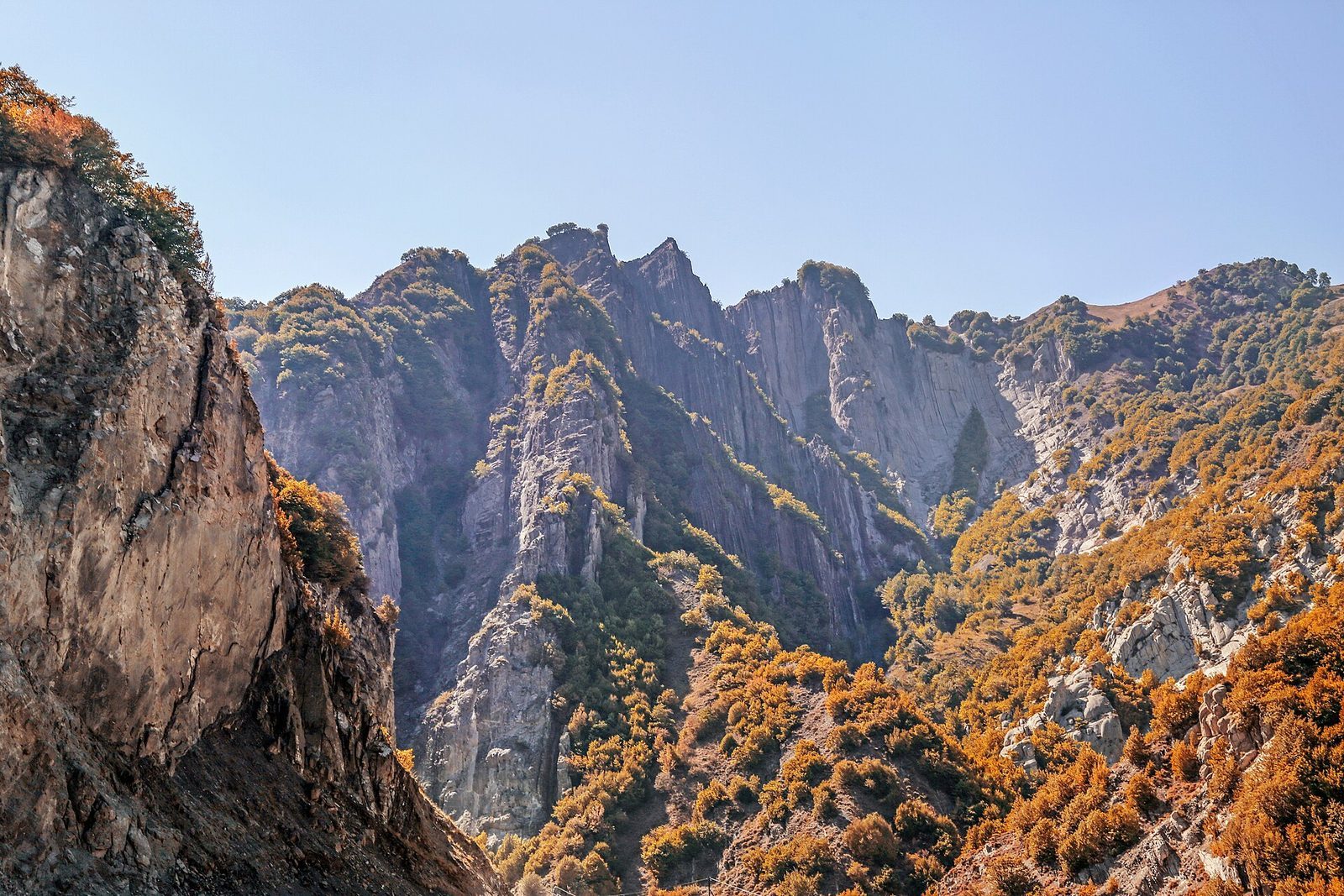
Surrounded by mountains, Lahij was for centuries hard to reach, and it is precisely this that helped it preserve its language, crafts and way of life almost unchanged.
Today that isolation has turned into riches — living, untouched antiquity.