The look of the village
Stone underfoot, wood overhead
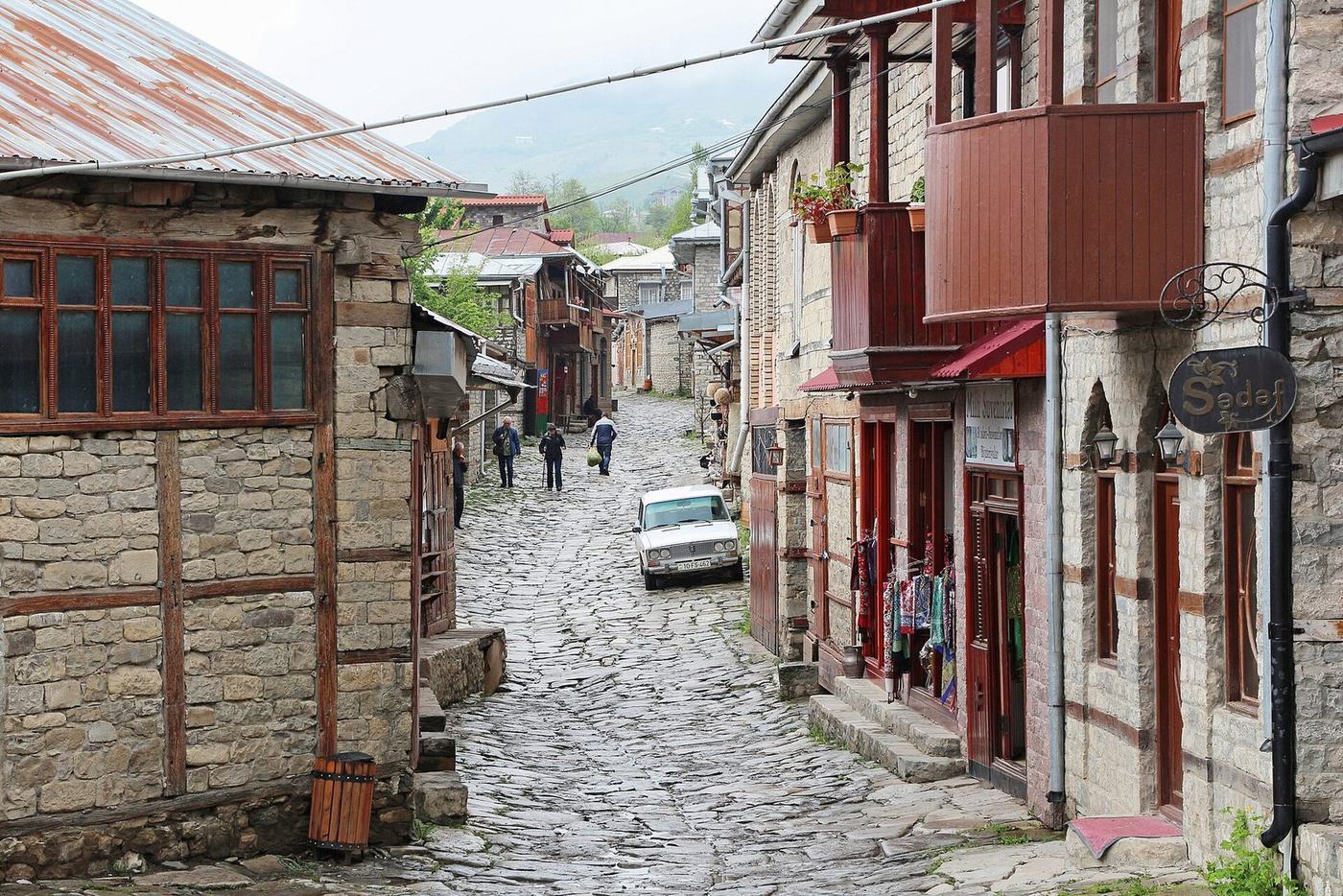
Lahij is above all its streets. Roads paved with river cobbles lead past houses of hewn stone with wooden balconies and carved doors. To walk them is like turning the pages of an old book.
Lahij's houses were built wisely: alternating stone and timber beams made the walls strong and resistant to earthquakes. The lower floors were often given over to workshops and shops, the upper to dwellings.
Today life still bustles on these streets: coppersmiths' workshops, souvenir shops and teahouses are open. Every turn offers a new frame — for the eyes and for photographs.
Cobbled streets
The streets are paved with river stone — a recognisable feature of Lahij.
Stone houses
Houses of hewn stone with wooden beams and galleries.
Carved doors
Massive wooden doors with fine carving — the work of local masters.
Balconies
Wooden and glazed balconies look out onto the narrow lanes.
Earthquake resistance
Alternating stone and wood makes the houses resistant to earthquakes.
Shops and workshops
The lower floors are taken up by workshops, shops and teahouses.
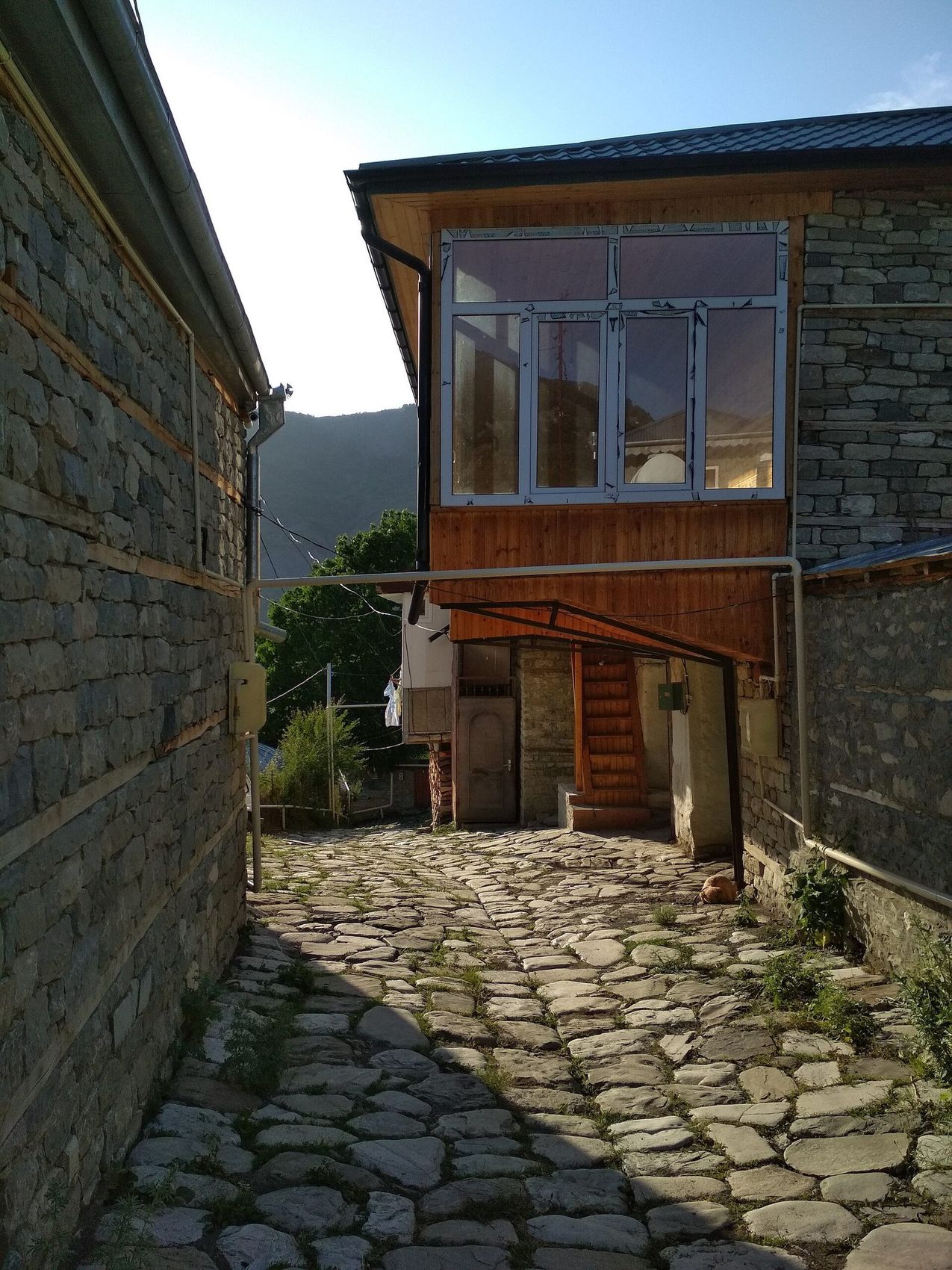 Lanes
LanesA museum under the sky
Every turn a frame
The best thing to do in Lahij is simply to walk without hurry. The narrow lanes, the play of light on stone, the sound of hammers and the mountain air create a special mood.
It is a place where you want to walk slowly and look around.